Prepared by Milele Expedition · Reviewed 13 October 2026
Is Tanzania safe for tourists? There is no single answer that applies to every place, traveller or activity. The practical approach is to check current official travel advice, choose suitable transport and accommodation, and follow local guidance throughout your route.
A guided safari does not remove all risks. It does provide an opportunity to plan movement, wildlife activities and remote stays with people who understand the itinerary. This guide focuses on decisions to consider for an Arusha visit and northern Tanzania safari.
Read your government’s latest Tanzania advisory before booking and again before departure. Check the regional sections as well as the headline advice.
At the time of review, UK guidance advises against all but essential travel within 20 km of Tanzania’s border with Mozambique’s Cabo Delgado province. It also describes risks in other areas and for remote park visits. That is not a blanket assessment of every safari destination.
Political disruption, weather and security conditions can change. Ask your operator whether anything affects your actual route and whether alternatives are available.
Arrange pickups through a known hotel or operator, confirm the driver and destination, and avoid accepting unsolicited lifts. Share your flight details before an airport arrival.
For day excursions, ask about the vehicle, seat belts, pickup plan and return arrangements. A low fare is not useful if the service cannot explain who is taking you or where you will be dropped off.
Road journeys deserve attention, especially after dark or in poor weather. Discuss driving times and avoid building a route that depends on rushing between destinations.
Ask your accommodation which routes and transport options are appropriate for the area. A street that is comfortable during the day may not be a sensible walk at night.
Keep expensive items discreet and carry only the money you need for the outing. Use established payment and exchange services. If someone offers an unexpected tour, taxi or shopping deal, verify it before agreeing.
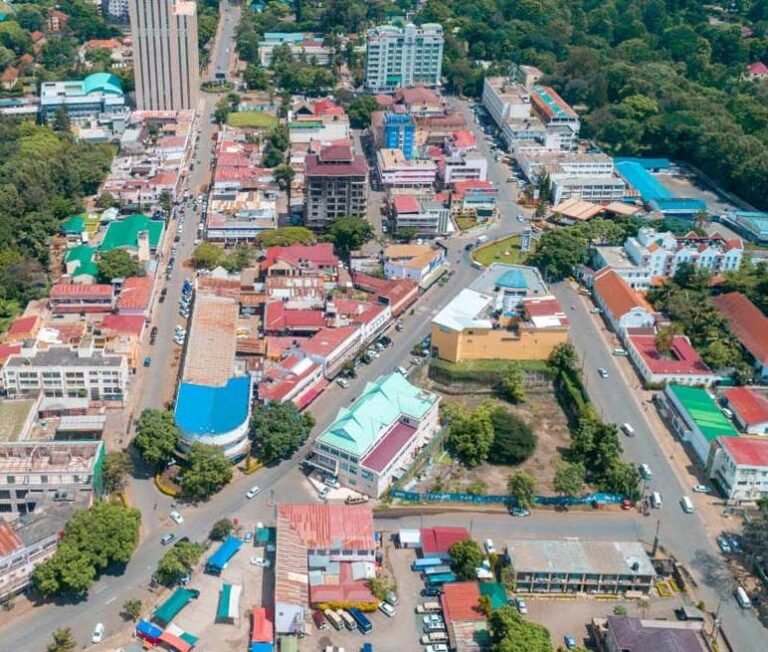
A guided Arusha city experience can provide context for a first visit. It should still be planned around your interests, walking ability and local conditions.
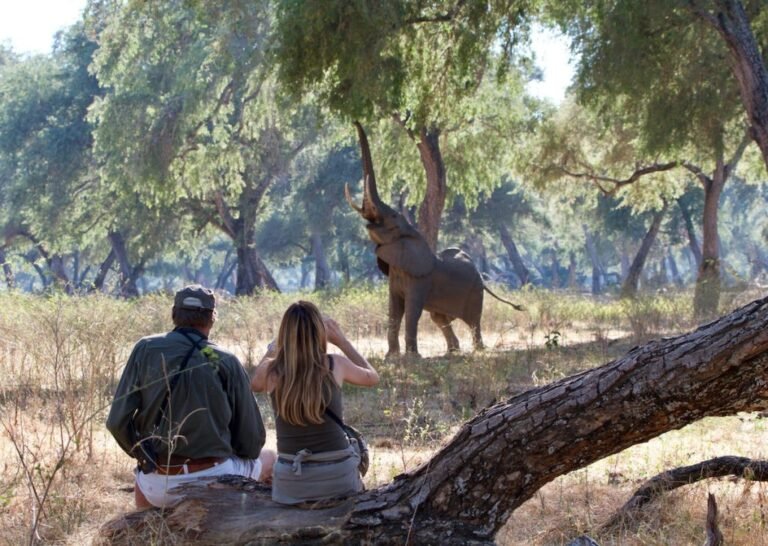
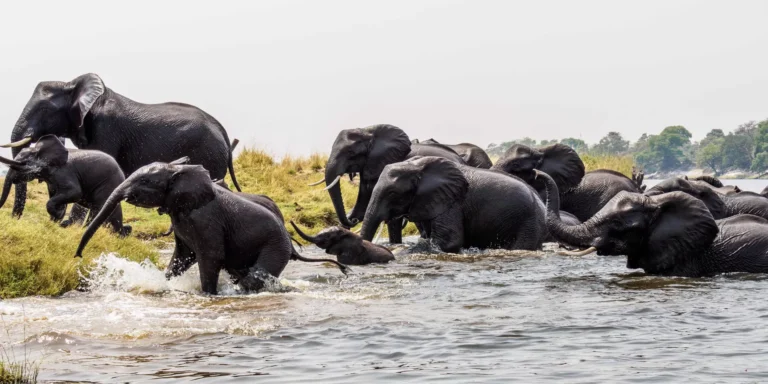
Listen to your guide and park staff. Stay in designated areas and leave the vehicle only where permitted. Wildlife behaviour can change quickly, and proximity should never be treated as proof that an animal is comfortable.
Do not feed animals or try to provoke a reaction for a photograph. On a walking activity, keep to the instructions about movement, spacing and noise.
If travelling with children, explain the rules before the excursion and keep supervision active. At a lodge or camp, follow staff guidance about where you can walk and when an escort is needed.
Arrange personalised travel-health advice before departure. Tell your operator about relevant health needs without waiting until the morning of a remote excursion.
Ask where medical care can be accessed along your itinerary, how the team communicates and what happens if an activity needs to stop. Remote locations may involve longer response times.
Check your insurance for your planned activities, evacuation, existing conditions and cancellation. A mandatory entry policy should not be assumed to meet every personal insurance need.
Rain can change a trail’s footing and a road’s condition. A waterfall walk should fit your footwear and mobility, not just the photograph you want to take.
For swimming or canoeing, ask about the conditions, supervision and safety equipment. Do not assume a calm-looking pool or lake is risk-free. Make your swimming ability clear when booking.
On a hiking route, be willing to turn back if conditions or your health change. A day hike and a mountain summit expedition need different preparation.
Plan reliable arrival transport and accommodation before travel. Share your route with someone you trust, and keep important contacts offline.
If joining a group, ask how the departure and accommodation work. If arranging a private excursion, confirm who will guide you and how to contact the office.
Use the same caution you would with unfamiliar people anywhere: protect your personal information, verify offers and leave situations that make you uncomfortable. Report concerns promptly to your operator or accommodation.
Check rules on photography, customs, restricted equipment and public behaviour. Ask before photographing people or sensitive places.
Travellers whose circumstances may be affected by local laws, including LGBT+ travellers, should read the relevant official guidance before deciding how to travel. Personal comfort and legal risk deserve informed planning rather than reassurance based on a general tourism description.
Avoid demonstrations and seek current advice if disruption occurs. Keep airline, accommodation and insurer contacts available without relying solely on internet access.
No. Safety depends on the operator, vehicle, route, activity and behaviour. Ask about practical arrangements rather than relying on the word “private.”
Use local advice for the specific area and time. Plan suitable transport after dark and consider a guided outing when you are unfamiliar with the city.
No. Understand the coverage, but also choose appropriate activities and follow safety instructions.
Contact Milele with your dates, travel needs and any concerns. We can explain the arrangements for our day trips and safari itineraries so you can assess the plan before booking.
Advice checked on 13 October 2026. Use your own government’s current advisory and insurer’s guidance for the final travel decision.