Prepared by Milele Expedition · Reviewed 13 October 2026
The currency in Tanzania is the Tanzanian shilling, abbreviated TZS. A useful travel approach is to carry shillings for smaller purchases, confirm payment arrangements for booked services and keep a backup card or cash option.
There is no need to arrive with every expense in your pocket. The better goal is to understand what is prepaid, what you will pay locally and where you can access money before heading away from town.
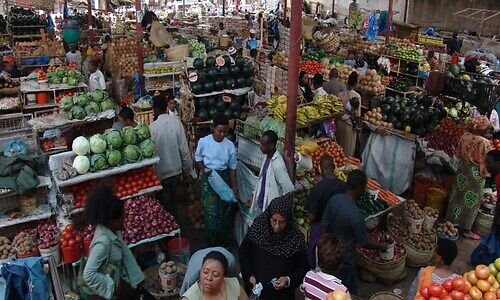
Prices in markets and many everyday businesses are easiest to understand in shillings. Ask the total before buying and check your change. Smaller notes can be helpful for purchases where a seller cannot easily change a large denomination.
Separate daily spending money from your emergency reserve. Keep enough accessible cash for the next part of the route rather than carrying a large visible bundle.
Your operator can explain which costs on a Tanzania safari are included and which remain your responsibility.
The Bank of Tanzania’s June 2025 clarification says that transactions between residents and non-residents, including tourists, may be made in foreign currency. It separately states that resident-to-resident payments must use shillings and that refusing a shilling payment is an offence.
That clarification does not mean every shop accepts every foreign note or card. Confirm the currency and accepted payment method with each service provider. Where a quotation uses another currency, ask how the payable amount will be calculated if you settle in TZS.
Avoid treating older headlines about currency rules as a complete explanation of current tourist payments. The official clarification is linked below.
Use authorised banks or licensed exchange businesses. Check the offered rate, fees and amount you will receive before handing over money. Retain the receipt where available.
Do not exchange money with an unsolicited street contact. A seemingly attractive rate is not useful if the transaction is unsafe or the notes are incorrect.
Exchange rates move, so this guide does not publish a fixed conversion. Compare the amount you will actually receive after fees rather than relying on a rate remembered from an earlier trip.
Plan withdrawals in a town before travelling to remote accommodation. Your card’s international settings, bank limits and the ATM’s own limit can affect how much you can withdraw.
Where possible, use an ATM inside or beside an established bank during opening hours. Cover the keypad, put the money away before leaving and keep the receipt if needed. If a card is retained, contact the bank using an official number and your card issuer promptly.
ATMs can be unavailable or run out of cash. A second payment method prevents a machine problem from becoming a missed activity.
Ask whether a hotel or activity provider accepts your card and whether a surcharge applies. “Cards accepted” does not guarantee that a particular terminal will work at the moment you need it.
Your home bank may charge for overseas purchases, cash withdrawals or currency conversion. Check those terms before departure. If a terminal offers to charge in your home currency, compare the conversion rate and fees before choosing.
Keep your bank’s help number offline and enable transaction notifications if practical. Do not share your PIN with a driver, guide or shop assistant.
A useful budget separates the major booking from incidentals:
| Expense | Question to ask |
|---|---|
| Safari or day trip | What transport, park activities and meals are included? |
| Airport pickup | Is the amount per vehicle or per person? |
| Accommodation | Are meals, taxes or other charges included? |
| Optional experiences | Must they be paid before travel or locally? |
| Personal spending | How much do you want for crafts, extra meals and drinks? |
| Tips | Is there an operator guideline, and are tips discretionary? |
Do not assume every safari has the same exclusions. An itemised quotation is more useful than a low headline price.
If you would like to tip, ask your operator for its current guidance before the trip. Different teams and services have different arrangements, and a shared safari may handle tips differently from a private journey.
A tip is separate from paying the agreed invoice. Prepare suitable denominations and ask how a group tip should be shared if you want it to reach several team members. Avoid promising an amount before understanding the full trip and service.
Use the payment instructions in your confirmed quotation or invoice. Verify unexpected changes to bank details through a known contact channel before sending money.
Keep your receipt and booking reference. Tell the team if the payer’s name differs from the traveller’s name so the payment can be matched correctly. Discuss local balance payments before arrival rather than assuming a driver has a card terminal.
No. Shillings are useful for local spending, and foreign currency acceptance varies. Use a combination appropriate to your itinerary and confirmed booking payments.
No. Arrange cash in town and keep a backup before travelling to remote areas.
Use a current rate and allow for the actual bank or exchange fees. Confirm the provider’s conversion method for invoices quoted in another currency.
Send Milele your dates and budget for a practical itinerary. You can also explore our Arusha day trips and decide which experiences should be included before setting aside spending money.
Information checked on 13 October 2026. Confirm current payment arrangements before travel.