Discover Tanzania

Tarangire National Park

Giant baobabs, huge elephant herds and a river that draws wildlife through the dry season.
Discover Tanzania

Tarangire National Park

Giant baobabs, huge elephant herds and a river that draws wildlife through the dry season.
About the Park

Welcome to Tarangire National Park

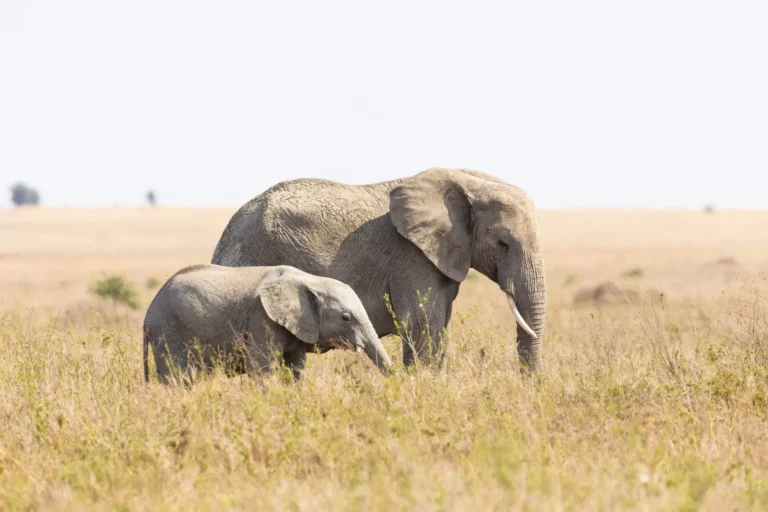
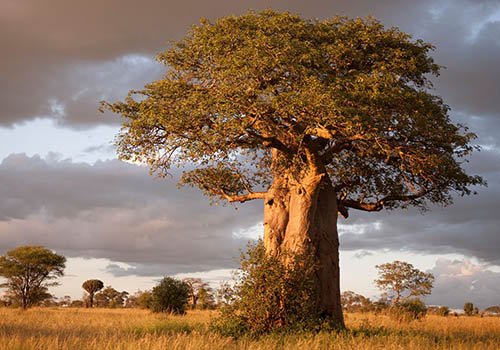
Tarangire National Park is one of northern Tanzania’s most underrated gems and a highlight of any safari through the region. Famous for its ancient, swollen baobab trees and its enormous elephant herds, Tarangire has a wild, uncrowded feel that many visitors love.

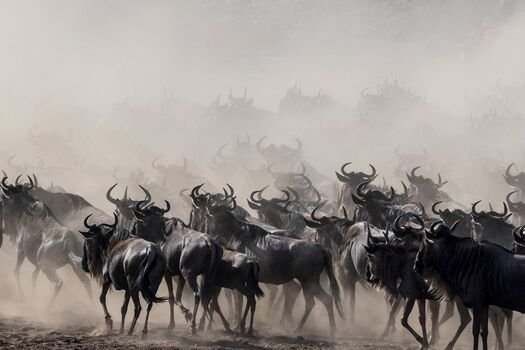
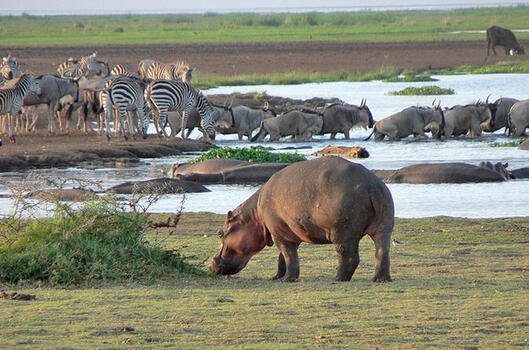
Covering around 2,850 square kilometres, the park is defined by the life-giving Tarangire River. In the dry season, when water is scarce across the wider ecosystem, animals concentrate here in remarkable numbers - hundreds of elephants, along with zebra, wildebeest, buffalo and the predators that follow them. It is also a superb birding destination, with well over 500 recorded species.

Why the season changes the safari

Tarangire’s character shifts with rainfall. During drier months, the Tarangire River and remaining water sources draw elephants and many other herbivores into areas visible from game-drive routes. After rains, the landscape becomes green and wildlife can disperse more widely. Both seasons offer beautiful photography, but the species you see and the routes accessible may differ. Ancient baobabs provide distinctive foregrounds even when animals are further apart.

Practical travel tips

  • A full-day drive is ideal for a first visit; stay longer if you enjoy quiet wildlife photography.
  • In the wet season, some tracks can become muddy, so use a suitable safari vehicle and follow your guide’s route choices.
  • Keep a respectful distance from elephants, especially family groups moving towards water.

Tarangire combines conveniently with Lake Manyara and Ngorongoro. Check official Tarangire visitor guidance for park rules and fees.

Common questions

When is Tarangire best for seeing elephants?

The drier months often bring herds towards the river and remaining water, though wildlife movements vary between years. The green season offers lush scenery and excellent birdlife.

Can Tarangire be visited from Arusha in one day?

Yes. The drive is commonly around two-and-a-half to three hours each way, so leave early and allow a full day for wildlife viewing.
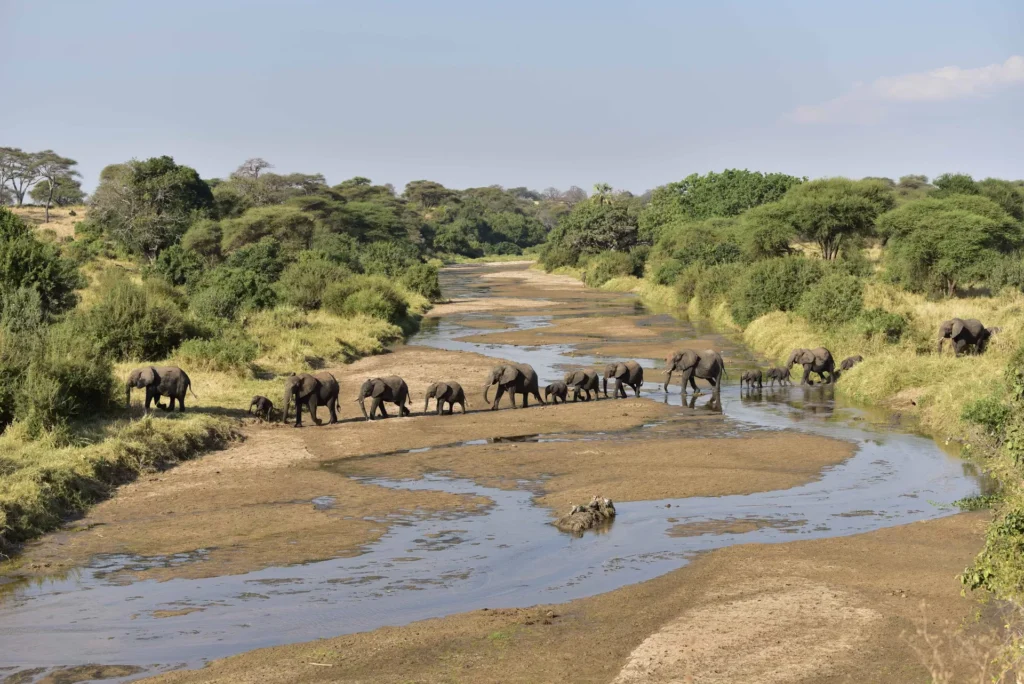

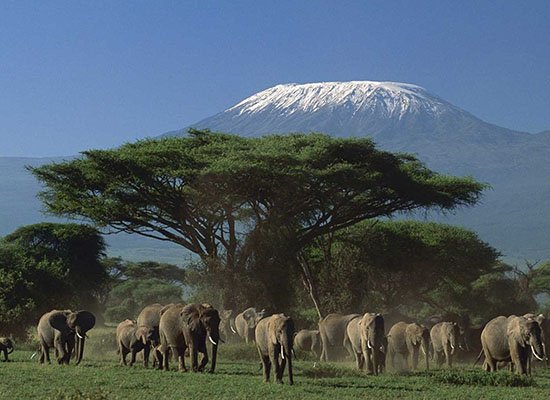
A herd of elephants among baobab trees in Tarangire National Park, Tanzania
Best time to visitJune to October is popular for wildlife around remaining water; greener months reward birdwatchers, with sightings more dispersed.

Wildlife Highlights

Elephant herds

One of Tanzania's best parks for large, relaxed elephant families.

Baobab trees

Iconic, ancient baobabs give Tarangire its unmistakable landscape.

Dry-season game viewing

Wildlife concentrates along the Tarangire River from June to October.

Birdlife

Over 500 species, including the huge kori bustard and colourful lovebirds.

Balloon & walking safaris

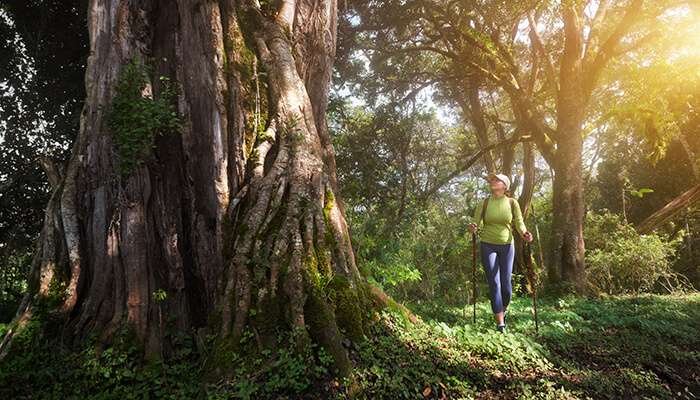
See the park from the air or on foot with an armed guide.

Getting There & Entry

  • Getting thereAbout 2.5 hours (120 km) by sealed road from Arusha towards Dodoma - usually the first stop on a northern-circuit safari and easy to pair with Lake Manyara.
  • Entry requirementsA valid passport and, for most nationalities, a Tanzania visa (e-visa online or on arrival). Park fees are charged per 24 hours and are included in our packages.

Park Fees

  • Tarangire entry, vehicle and activity fees depend on visitor category and travel plans. We check current TANAPA tariffs and clarify applicable park fees before confirming a safari.
Location

Tarangire National Park, Tanzania

We handle every transfer and logistic to get you here as part of your tailor-made safari - just tell us where you want to go.

View on Google Maps
Ready When You Are

Turn This Destination Into a Trip

Tell us your dates and interests - we’ll build a tailor-made itinerary that features this park, at a fair price.