Discover Tanzania

Ngorongoro Conservation Area

A collapsed volcano cradling one of the densest concentrations of wildlife in Africa.
Discover Tanzania

Ngorongoro Conservation Area

A collapsed volcano cradling one of the densest concentrations of wildlife in Africa.
About the Park

Welcome to Ngorongoro Conservation Area

The Ngorongoro Conservation Area is a UNESCO World Heritage Site where people, livestock and wildlife share one of Africa’s most extraordinary landscapes. At its heart lies the Ngorongoro Crater - the world’s largest intact volcanic caldera, formed when a giant volcano collapsed millions of years ago.

The crater floor, some 260 square kilometres ringed by 600-metre walls, is a natural amphitheatre packed with an estimated 25,000 large animals. It is one of the best places in Africa to see the endangered black rhino, and its dense wildlife makes for reliable, spectacular game viewing. Beyond the crater, the highlands are home to the Maasai and to landscapes ranging from forest to the flamingo-fringed Lake Magadi.

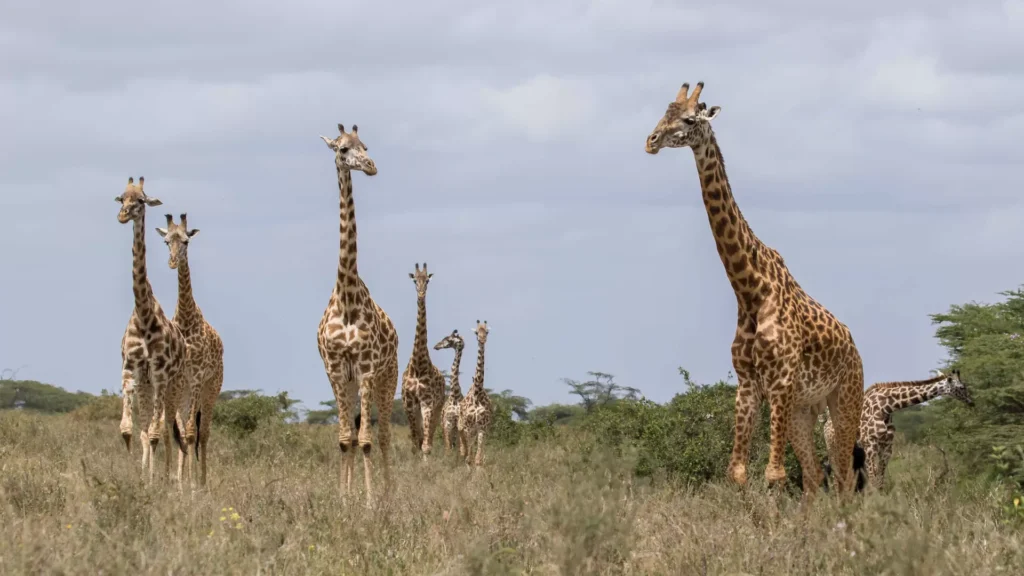
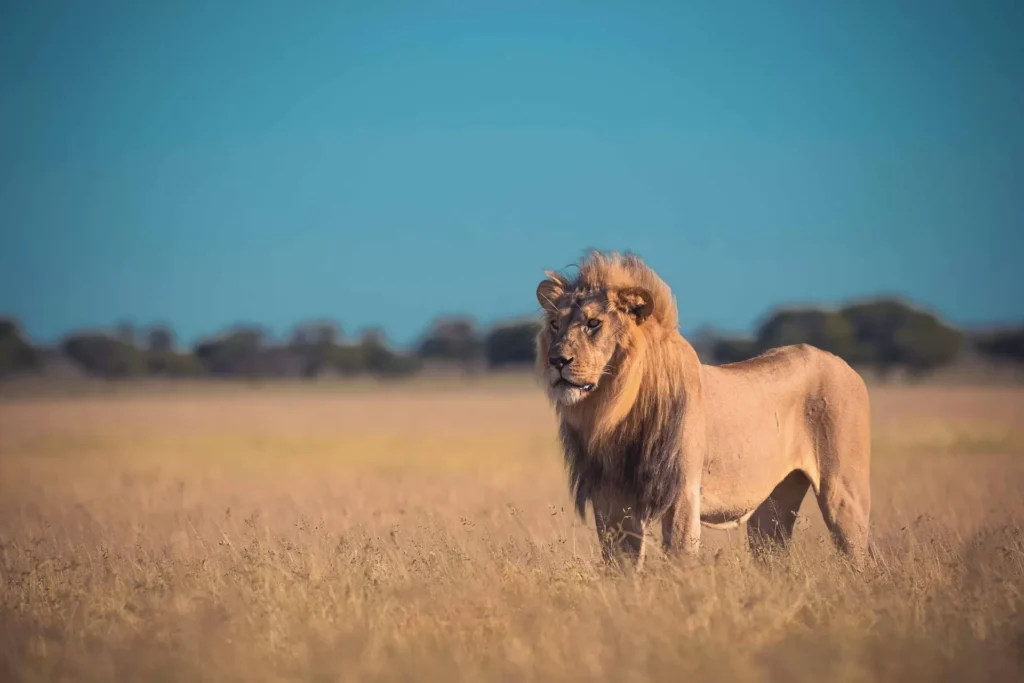
For visitors planning a Ngorongoro Crater safari, the main experience is a guided game drive descending into the caldera. Look for lions, elephants, buffalo, zebras and endangered black rhinos; sightings are never guaranteed, and leopards can be particularly elusive. An early departure gives more time for the crater floor and photography.

Travelling from Arusha usually means a long driving day, with time also needed for entry formalities and the crater descent. If your schedule allows, combine Ngorongoro with nearby parks or the Serengeti instead of rushing. Compare our Ngorongoro Crater Safari and 3 Days Serengeti Safari. We confirm applicable conservation and vehicle fees against the Ngorongoro Conservation Area Authority when preparing your quote.

Planning a crater visit

The descent into Ngorongoro Crater is the highlight for many first-time safari travellers, but the conservation area extends well beyond the crater floor. Highland viewpoints, the surrounding forest and the region’s cultural history offer a different perspective. A crater drive follows regulated routes, and vehicle movements are managed to protect wildlife. Black rhino sightings are possible but never certain, so the strongest safari is one that enjoys the whole ecosystem rather than a checklist.

Practical travel tips

  • An early start from the crater rim leaves more daylight for relaxed viewing; Arusha day trips involve substantial driving.
  • Take a warm layer for cool mornings on the highland rim, along with binoculars and water.
  • Cultural visits should be arranged respectfully with local hosts; confirm permits and conservation charges before departure.

Explore the Serengeti as a natural next stop, or see official Ngorongoro visitor activities before choosing your route.

Common questions

Is visiting the crater the same as exploring the whole conservation area?

No. The crater drive explores the caldera floor, while the wider Ngorongoro Conservation Area includes highlands, other attractions and cultural landscapes.

Can I visit Ngorongoro from Arusha in one day?

It can be done with a very early start, but the drive is long. Staying near the rim or combining it with a multi-day northern safari often makes the experience less rushed.
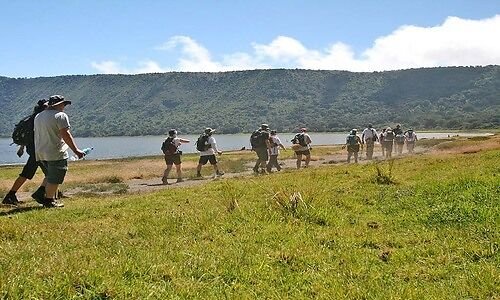
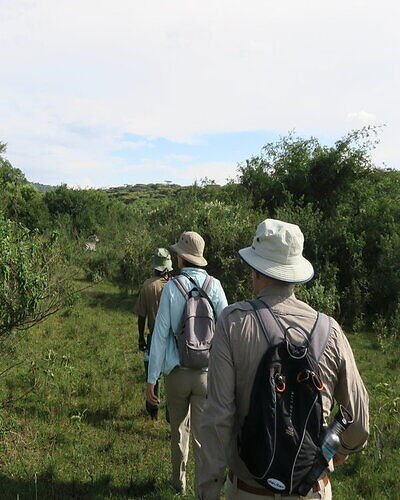
Walking group crossing the Ngorongoro Crater floor beside the soda lake
Best time to visitYear-round; June-October offers the clearest crater views, while the green season brings flamingos and newborn wildlife.

Wildlife Highlights

Ngorongoro Crater

The world's largest intact caldera, teeming with an estimated 25,000 animals.

Black rhino

One of the most reliable places in Tanzania to spot the endangered black rhino.

The Big Five

Ngorongoro is renowned for Big Five wildlife, but sightings vary, and leopard sightings are especially elusive.

Maasai culture

Visit Maasai communities who graze cattle alongside the wildlife.

Flamingos

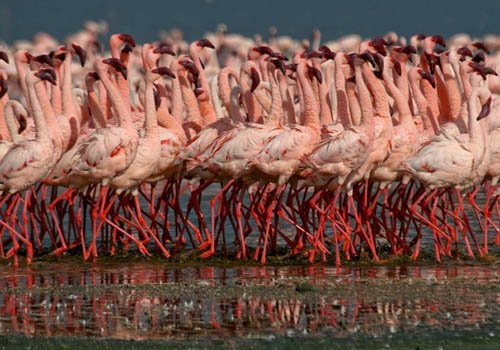
Lake Magadi on the crater floor turns pink with flamingos in the wet season.

Getting There & Entry

  • Getting thereAround 3 to 3.5 hours (180 km) by road from Arusha, past Lake Manyara and up into the highlands. Often combined with the Serengeti.
  • Entry requirementsPassport and Tanzania visa. The conservation area charges per-person entry plus vehicle and crater-service fees, all included in our quotes.

Park Fees

  • Entry fees vary by visitor category and age; vehicle and crater-service fees can apply separately. We check the latest official NCAA tariffs and include the applicable conservation fees in your safari quote.
Location

Ngorongoro Conservation Area, Tanzania

We handle every transfer and logistic to get you here as part of your tailor-made safari - just tell us where you want to go.

View on Google Maps
Ready When You Are

Turn This Destination Into a Trip

Tell us your dates and interests - we’ll build a tailor-made itinerary that features this park, at a fair price.